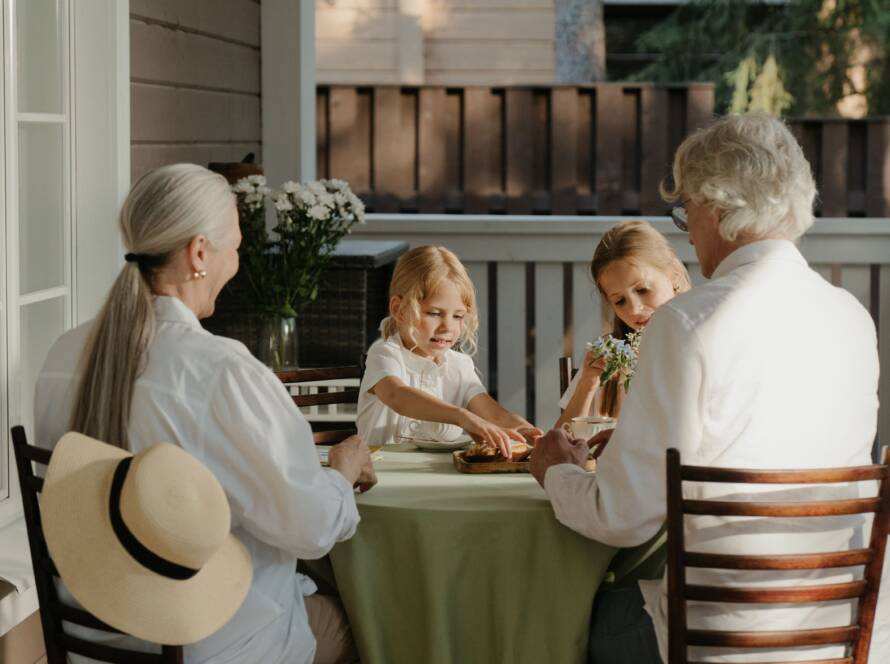
Preserving Identity Through Meaningful Leisure as We Age
Understanding the role of personal interests, meaningful engagement, and a sense of self in healthy aging.
Throughout our lives, we develop a sense of identity through the experiences, relationships, interests, and activities that are meaningful to us.
For some, this may be a lifelong passion for gardening, music, or art. For others, it may be cooking for family, participating in community organizations, travelling, or spending time outdoors.
These activities often become much more than ways to spend our time. They reflect our values, personalities, abilities, and the roles we have developed throughout our lives.
However, as we age, changes in physical health, cognitive functioning, mobility, and personal circumstances can make it increasingly difficult to participate in the activities that once helped define who we are.
Understanding the importance of meaningful leisure is an essential part of supporting older adults in maintaining not only their independence, but also their sense of identity.
Understanding the Relationship Between Leisure and Identity
When we think about leisure, we often associate it with relaxation, entertainment, or having something enjoyable to do during our free time.
From a gerontological perspective, however, leisure serves a much greater purpose.
The activities we choose to participate in can reflect our personal values, provide opportunities for self-expression, strengthen social connections, and contribute to our sense of competence and belonging.
Consider someone who has spent decades maintaining a beautiful garden. Gardening may represent much more than an enjoyable outdoor activity. It may be a source of pride, creativity, accomplishment, and connection to nature.
Similarly, someone who has always enjoyed hosting family dinners may associate cooking with their role as a parent, grandparent, or caregiver.
When these activities become difficult or inaccessible, the individual may experience a loss that extends far beyond the activity itself.
Sometimes, losing the ability to participate in a meaningful activity can feel like losing a part of who we are.
The Importance of Continuity Throughout Aging
One concept within gerontology that helps explain the importance of meaningful leisure is Continuity Theory.
A Perspective From Gerontology
Continuity Theory
Developed by gerontologist Robert Atchley, Continuity Theory suggests that older adults often adapt to the changes associated with aging by maintaining familiar patterns of behaviour, relationships, interests, and personal values.
Rather than developing an entirely new identity in later life, individuals often seek to preserve a sense of connection between who they have been and who they are today.
This does not mean that older adults must continue participating in activities exactly as they always have. Instead, it highlights the importance of finding ways to maintain the meaning behind those experiences, even when the way someone participates needs to change.
For example, an individual who can no longer independently maintain a large garden may still find enjoyment in caring for indoor plants, arranging flowers, or participating in supported gardening activities.
Someone who previously enjoyed travelling may find meaningful engagement through exploring different cultures, revisiting photographs, preparing international recipes, or attending cultural events.
These adaptations can help maintain a sense of continuity while acknowledging the realities of changing abilities and circumstances.
When Leisure Opportunities Begin to Disappear
As older adults experience changes in their health or independence, daily life can gradually become more focused on managing their care needs.
Medical appointments, medication schedules, personal care routines, and safety considerations may begin to occupy much of the day.
While these are important aspects of supporting an individual's health, they can sometimes overshadow the experiences that make life personally meaningful.
Older adults may begin participating in fewer leisure activities for a variety of reasons, including:
- Changes in mobility, strength, or endurance.
- Cognitive changes that make familiar activities more challenging.
- Loss of a spouse, friend, or regular leisure companion.
- Reduced access to transportation.
- Fear of falling or navigating unfamiliar environments.
- Changes in vision, hearing, or fine motor abilities.
- Reduced confidence in their ability to participate independently.
Over time, these barriers can contribute to a narrowing of an individual's daily experiences.
Someone who once had a variety of interests, responsibilities, and social connections may find that their days become increasingly repetitive.
This can influence emotional well-being, motivation, social connectedness, and overall quality of life.
It is therefore important that families and care providers consider not only what an older adult needs assistance with, but also what they may be missing from their everyday life.
Keeping Someone Busy Is Not the Same as Meaningful Engagement
Providing opportunities for activity is important, but not every activity will hold the same value for every individual.
A person who has never enjoyed arts and crafts may find little meaning in a painting activity, while someone who spent their career as an artist may find it deeply fulfilling.
Similarly, an individual who has always enjoyed intellectual discussion may prefer exploring current events, reading, or engaging in conversation rather than participating in more traditional recreational activities.
Meaningful leisure requires an understanding of the individual.
When identifying appropriate activities, it can be helpful to consider:
- What interests has this person developed throughout their life?
- What roles have been particularly important to their identity?
- What activities provide a sense of accomplishment or purpose?
- What experiences bring them comfort, enjoyment, or connection?
- How can these activities be adapted to their current abilities?
The answers to these questions can help families and care providers move beyond simply filling someone's time and instead create opportunities for genuine engagement.
The value of an activity is not determined by how much time it occupies, but by what it means to the person participating in it.
Preserving Identity for Individuals Living With Dementia
The relationship between leisure and identity becomes particularly important when supporting someone living with dementia.
As dementia progresses, changes in memory, communication, recognition, and the ability to complete familiar tasks may affect how an individual participates in activities they once enjoyed.
However, these changes do not necessarily eliminate their interests, preferences, or capacity to experience enjoyment.
Someone who can no longer recall the name of a favourite song may still enjoy listening to it.
An individual who can no longer independently follow a recipe may still find comfort in the familiar process of baking.
A former musician may continue responding to rhythm, melody, or opportunities to participate in music, even when other cognitive abilities have changed.
Different forms of memory and learned abilities can be affected differently by dementia. Familiar activities may draw upon abilities that remain relatively preserved, while also providing opportunities for emotional connection and self-expression.
It is also important to recognize that an individual does not need to remember an experience afterward for that experience to have been valuable.
The enjoyment, comfort, connection, and sense of accomplishment experienced in the moment are meaningful in their own right.
Rather than focusing exclusively on what someone can no longer do, a person-centred approach encourages us to recognize the aspects of their identity that remain and find thoughtful ways to support them.
Adapting Meaningful Activities as Abilities Change
One of the most important ways to preserve meaningful leisure is to adapt activities rather than automatically eliminate them when they become more challenging.
Often, relatively small adjustments can allow an individual to continue participating in something they value.
Gardening
An individual experiencing mobility limitations may benefit from raised garden beds, accessible planters, lightweight gardening tools, or assistance with more physically demanding tasks.
They may continue choosing plants, watering flowers, or planning the garden, maintaining an important source of pride and accomplishment.
Cooking and Baking
Someone who can no longer safely prepare meals independently may still participate in selecting recipes, measuring ingredients, mixing, decorating baked goods, or setting the table with appropriate support.
These opportunities can help preserve familiar routines and the meaningful role of contributing to family life.
Creative Activities
Painting, knitting, woodworking, photography, and other creative pursuits can often be adapted through simplified steps, accessible materials, or modified equipment.
The emphasis should remain on enjoyment and self-expression rather than achieving a particular outcome.
Music
Listening to favourite songs, singing, playing an adapted instrument, or attending musical performances can provide opportunities for enjoyment, reminiscence, and emotional connection.
Music may be particularly meaningful when it reflects an individual's personal history and preferences.
Intellectual and Social Activities
Reading, discussing current events, participating in book clubs, playing adapted games, or attending educational presentations can help maintain opportunities for intellectual stimulation and social connection.
For individuals who have spent their lives learning, teaching, or contributing professionally, these experiences may be especially important to their sense of self.
The goal of adapting leisure is not necessarily to recreate an activity exactly as it once was. It is to preserve the aspects of the experience that hold personal meaning.
The Role of Therapeutic Recreation in Preserving Identity
Therapeutic Recreation is a professional approach that uses individualized, purposeful recreation and leisure experiences to support physical, cognitive, emotional, and social well-being.
Unlike a generalized activity program, Therapeutic Recreation considers an individual's personal history, interests, strengths, abilities, and goals when identifying meaningful opportunities for participation.
For older adults experiencing changes in their health or independence, this may involve:
- Identifying leisure interests that have become difficult to access.
- Adapting familiar activities to accommodate changing abilities.
- Supporting the development of new interests and leisure opportunities.
- Encouraging social connection and community participation.
- Providing opportunities for self-expression and accomplishment.
- Supporting cognitive engagement through personally meaningful experiences.
- Helping individuals rebuild confidence in their ability to participate.
An important component of Therapeutic Recreation is recognizing that leisure preferences may also evolve throughout life.
Preserving identity does not mean expecting someone to remain exactly as they have always been. Older adults should continue to have opportunities to discover new interests, develop new relationships, and experience personal growth.
A thoughtful approach honours both the individual's personal history and the person they continue to become.
How Families Can Support Meaningful Leisure at Home
Family members and caregivers can play an important role in helping older adults maintain a connection to their interests and identity.
Learn About Their Personal History
Take time to understand the activities, experiences, relationships, and roles that have been meaningful throughout their life.
Even when supporting a parent or grandparent, there may be aspects of their personal history that you have never had the opportunity to explore.
Encourage Participation Rather Than Perfection
An activity does not need to be completed independently or to a previous standard for it to be meaningful.
Focus on the experience of participating rather than the quality of the finished product.
Provide Opportunities for Choice
Allow individuals to choose how they spend their time, which activities they participate in, and when they would prefer to rest.
Maintaining opportunities for personal choice can support autonomy and dignity.
Avoid Making Assumptions Based on Age or Diagnosis
An individual's age, physical limitations, or dementia diagnosis should not automatically determine which activities are available to them.
Consider their individual abilities, preferences, and interests rather than relying on generalized expectations about aging.
Make Meaningful Leisure Part of Everyday Life
Leisure should not be treated as something that only happens when all other care responsibilities have been completed.
Creating regular opportunities for enjoyment, connection, and personal fulfilment is an important part of supporting overall well-being.
Recognize the Value of Small Moments
A conversation about a favourite subject, listening to a meaningful piece of music, or spending time outdoors can hold significant personal value.
Meaningful engagement does not always require an elaborate activity or structured program.
The Best Life Aging Approach: Supporting the Whole Person
At Best Life Aging, we believe that exceptional care involves much more than meeting an individual's physical and practical needs.
Our approach is grounded in gerontology and informed by the understanding that healthy aging encompasses physical function, cognitive well-being, emotional health, social connection, autonomy, and personal identity.
Through our individualized Therapeutic Recreation services , we work with older adults to identify meaningful leisure interests, adapt activities to changing abilities, and create opportunities for continued engagement in everyday life.
Our personalized Living Well Plans allow us to consider how Therapeutic Recreation, Seniors Fitness, and concierge home support can work together to support each individual's unique goals.
For someone who wishes to return to gardening, this might involve improving functional strength through Seniors Fitness, adapting gardening activities through Therapeutic Recreation, and receiving practical assistance through home support.
Each service contributes to a broader goal: helping the individual continue participating in something that matters to them.
Rather than organizing care exclusively around an individual's limitations, we consider their strengths, personal history, interests, and the experiences they wish to preserve.
Aging Without Losing Who We Are
Aging inevitably brings change. Our abilities, routines, relationships, and circumstances may evolve throughout our lives.
But the need to experience enjoyment, express ourselves, make meaningful choices, and feel connected to who we are does not disappear with age.
Supporting older adults in maintaining their identity requires us to look beyond diagnoses, care requirements, and physical limitations.
It requires us to ask what makes life meaningful to the individual and how we can help preserve those experiences as their needs change.
Meaningful leisure is not simply an additional component of care. It is an important part of living well.
Because aging well is not only about maintaining the ability to live independently. It is about maintaining the opportunity to live a life that still feels like our own.
Helping Ottawa's older adults live well, at every stage of aging.
Discover how Best Life Aging's personalized Therapeutic Recreation, Seniors Fitness, and concierge home care services can help you or your loved one maintain meaningful engagement, independence, and quality of life at home.
Explore Our Therapeutic Recreation ServicesResearch & Further Reading
- Atchley, R. C. (1989). A Continuity Theory of Normal Aging. The Gerontologist, 29(2), 183–190. Read study
- World Health Organization (2015). World Report on Ageing and Health. Read report
- National Institute for Health and Care Excellence (NICE). Dementia: Assessment, Management and Support for People Living With Dementia and Their Carers. Read guidelines
- Alzheimer Society of Canada. Resources on person-centred dementia care and meaningful engagement. Explore resources